Your shopping cart is empty!

The Moment Before the Spike
Your boss sends an urgent email. Your jaw tightens. Your shoulders creep up toward your ears. And your blood pressure? It just took a hit, too. If you are managing high blood pressure, you know this feeling all too well. It is rarely the massive life crises that do us in. Instead, it is the slow burn of daily micro-stresses. A traffic jam on your morning commute, a tense conversation with a coworker, a looming deadline, or an unexpected bill. Each small event triggers a physical chain reaction that eventually becomes your body's default setting.
We were built to handle short bursts of intense stress--think running away from a temporary predator, not sitting in a cubicle. The fight-or-flight response evolved to save your life in an emergency, not to run 24/7 for decades. Yet, modern life keeps that emergency switch glued down. Your nervous system stays stuck in overdrive. Your blood vessels remain slightly constricted, and your heart pumps a bit faster than necessary.
Over time, your numbers drift upward. Nothing is necessarily broken; your system is simply exhausted from running a marathon it never trained for. This is where the undeniable link between chronic daily stress and your cardiovascular health comes to light.
The Physiology of Modern Stress
When stress hits, your body floods your system with cortisol and adrenaline. These hormones prepare you to fight or flee. Your heart rate pumps harder, your blood vessels constrict, and your blood sugar rises to provide quick energy. That is incredibly useful if you need to escape physical danger.
But when your stressor is a never-ending inbox or a noisy open-office layout, these hormonal surges hit you repeatedly throughout the day. Worse yet, there is no physical release afterward to burn off that chemical energy. The cortisol lingers. The blood vessels stay tight. The pressure builds.
Over the years, this chronic constriction wears down the delicate lining of your arteries. It sets the stage for plaque buildup and leaves your blood vessels stiff and overly reactive. Science backs this up completely. A 2021 review in Current Hypertension Reports confirmed that chronic mental stress is an independent risk factor for hypertension. This means stress drives up your blood pressure even if your diet is flawless and you hit the gym daily. Stress is not just a mood--it is a physical force shaping your heart health.
The TCM View: Stress Through a Different Lens
Traditional Eastern medicine has recognized this deep connection between your emotions and your heart for centuries, though it uses a beautifully descriptive language. In this tradition, stress directly impacts the internal systems responsible for maintaining the smooth, unhindered flow of energy and circulation throughout your body.
When you are relaxed, this internal circulation flows like a calm river. But when chronic stress takes over, that flow gets blocked and bottled up, creating a type of internal traffic jam.
Imagine a tightrope walker holding a long balancing pole. In calm weather, the walker crosses the high wire with smooth, confident steps. The pole keeps them perfectly centered. But when a fierce wind kicks in--representing your daily stressors--the walker begins to wobble. Their arms flail, the pole tilts wildly, and every single step becomes a desperate fight to stay upright.
That chaotic wobble is exactly what happens to your internal system when stress blocks your natural circulation. The wind is the relentless pressure of modern life. If the wind never stops blowing, the tightrope walker eventually burns out. When your internal energy stays blocked and agitated for too long, it builds up friction and creates a type of internal "heat." This rising heat shoots upward, destabilizing your system and sending your blood pressure soaring.
Why Your Emotions Matter
Holistic traditions link specific emotional patterns directly to your physical organs. The system responsible for smooth internal circulation is the exact same one that processes frustration, anger, and irritability.
When your internal energy is moving freely, you can brush off a minor annoyance. You get irritated, you vent, and you move on. But when your system is congested by stress, small frustrations get stuck. They pile up. You might find yourself snapping at your family, feeling perpetually cranky without a clear reason, or stewing over a minor slight for days.
This irritable state is not a personal failure; it is a clear physical signal that your internal circulation is blocked. The longer it stays stuck, the worse your physical health becomes. Your blood pressure climbs, tension headaches kick in, and your sleep quality tanks, which leaves you with even less resilience the next morning.
It becomes a vicious cycle: stress blocks your internal flow, which makes you more emotionally reactive, which creates even more stress. Breaking this loop requires treating both your mind and your physical body together.
Pearl Shell: Calming the Shen
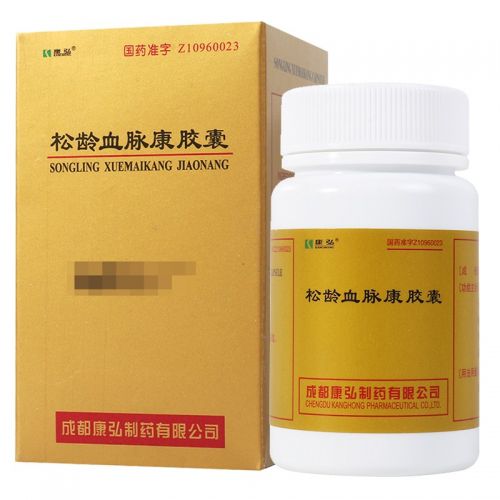
This is where pearl shell, a key natural ingredient found in specialized wellness formulas like the Songling Xuemaikang Capsule, comes to the rescue. Pearl shell has a legendary ability to soothe a hyper-reactive nervous system and calm an anxious, restless mind.
When your inner peace is disrupted by chronic stress, you feel scattered, overwhelmed, and plagued by racing thoughts when your head hits the pillow. Pearl shell works by grounding that frantic, upward-surging stress energy. Because it is naturally heavy and rich in minerals, it acts as a literal counterbalance to the flighty, agitated feelings brought on by a bad day.
Going back to our tightrope walker, pearl shell acts like a weight added to the center of the balancing pole, lowering the center of gravity and making it much harder for the wind to knock the walker down. Furthermore, the natural calcium and trace minerals within pearl shell nourish your nervous system, promoting a deep sense of relaxation. It does not sedate you like a heavy prescription pill. Instead, it gently guides your body back to its natural resting state so you can handle life's curveballs without overreacting.
Pine Needles: Cooling the Heat
Stress quite literally generates heat in your body. When you are under chronic pressure, your internal engine runs too hot. Your face might flush, you might feel a warm sensation in your chest or head, or your temper might flare at the slightest provocation. This is the physical byproduct of blocked internal energy turning into fiery, upward pressure.
Pine needles target this exact issue. They act as a natural cooling system for your internal organs, bringing down that rising thermal pressure that drives up your blood pressure and triggers emotional outbursts.
Beyond their cooling properties, pine needles are packed with potent antioxidants called flavonoids. These compounds act like a protective shield for your blood vessels, defending them against the oxidative stress and damage caused by high cortisol levels. By cooling the internal heat and protecting your arterial walls, pine needles help snap the loop before stress can do lasting damage to your heart.
Kudzu Root: Releasing the Grip
Think about where you hold stress. For most of us, it takes the form of a tight jaw, hunched shoulders, and a stiff neck. This physical bracing is your body's defensive armor against perceived threats. But when you never truly unpack that armor, the constant muscular grip restricts your blood flow and forces your heart to pump harder against tight vessels.
Kudzu root is incredibly effective at melting away this physical tightness and opening up healthy circulation. It contains an active natural compound called puerarin, which gently widens your blood vessels, improving vital blood flow to your brain and extremities.
In holistic health terms, it releases the deep tension held within your muscles and connective tissues, allowing your internal energy to flow freely again. When you finally release that physical grip in your neck and shoulders, the literal pressure on your blood vessels drops too. That is why kudzu root is an indispensable ally for tackling stress-induced high blood pressure--it directly relaxes the physical holding patterns of modern life.
When Stress Affects Both Pressure and Rhythm
For many of us, stress does not just creep up on a blood pressure monitor--it echoes directly in our chests. You might feel your heart skip a beat, suddenly race, or pound heavily when an unexpected challenge pops up.
This happens because the exact same stress pathways that constrict your blood vessels can also agitate your heart's electrical rhythm and disrupt your peace of mind. When stress attacks both your blood pressure and your heart rhythm simultaneously, a dual approach can offer complete relief.
Combining Songling Xuemaikang with another traditional formula called Wenxin Keli addresses both the root stress patterns and the immediate physical symptoms. While Songling works on grounding your nervous system and cooling internal tension, Wenxin Keli is specifically researched to support a steady, healthy heart rhythm. Used together, these formulas provide a comprehensive shield for your cardiovascular system, soothing everything from racing thoughts and physical tightness to erratic heart rates.
Supporting Your Tightrope Walker
Herbal support is incredibly powerful, but it works best when you actively reduce the wind your internal tightrope walker has to fight. Here are a few practical, high-impact lifestyle shifts to protect your blood pressure.
First, master the belly breath. Taking slow, deep diaphragmatic breaths instantly activates your vagus nerve. This flips the switch from "fight-or-flight" to your body's natural rest-and-digest recovery mode, dropping your blood pressure in minutes.
Second, get moving. Exercise is the ultimate way to clear out bottled-up physical and mental tension. You do not need grueling workouts--a brisk 30-minute walk, a gentle yoga flow, or a swim will beautifully unlock tight muscles and reset your circulation.
Third, set firm boundaries. Your body's internal balancing systems get completely overwhelmed when you are overcommitted. Learning to say no and prioritizing your downtime is a vital medical necessity for your heart, not a luxury.
Fourth, prioritize deep sleep. Nighttime is when your body rebuilds its deep, cooling reserves of energy. Without enough sleep, your internal tightrope walker starts the next morning already off-balance and vulnerable to the first stressful email of the day.
Breaking the Cycle
Stress and high blood pressure are locked in a toxic partnership. Stress drives your numbers up, and worrying about those numbers creates a whole new layer of daily anxiety. It can feel like a trap.
But by addressing the physical tension and the emotional toll at the exact same time, you can rewrite the script. Formulas like Songling Xuemaikang Capsule support your body by cooling internal friction, relaxing tight blood vessels, and grounding erratic energy.
It won't erase the stressful demands of your job or life, but it fundamentally changes how your body reacts to them. Your internal tightrope walker will still face the occasional gust of wind, but they will step out onto the wire with a lower center of gravity, a rock-solid balance, and a much steadier grip. And over time, that changes everything.
Statements regarding dietary supplements have not been evaluated by the Food and Drug Administration. This product is not intended to diagnose, treat, cure, or prevent any disease. The information in this article is for educational purposes and should not replace the advice of a qualified healthcare provider. Always consult your physician before starting any new supplement regimen, particularly if you have a diagnosed medical condition or are taking prescription medications.
-

- Date Published: 2026-07-27
- Category: Theory
- Tags: stress and blood pressure hypertension and stress Liver Qi Stagnation calming Shen pearl shell anxiety blood pressure natural remedy Songling Xuemaikang stress management TCM emotional health TCM Wenxin Keli palpitations stress cardiovascular bRelated Products
 $16.00