Your shopping cart is empty!

When Every Source of Strength Matters
When the body faces its toughest battle, every source of strength matters. Cancer treatment demands enormous resources from the body -- physical, emotional, and energetic. In Traditional Chinese Medicine, the approach to supporting someone through this journey begins not with attacking the illness alone, but with rebuilding the foundation from which the body draws its resilience. This is where Kanglaite soft capsules enter the picture. They offer a way to shore up the body's structural integrity while simultaneously addressing the disease process. Kanglaite represents a bridge between ancient herbal wisdom and modern pharmaceutical science, bringing the benefits of coix seed oil into a form that fits seamlessly into contemporary cancer care. The result is a product that respects both tradition and evidence, giving patients and their doctors another valuable option for supportive care.
What Is Kanglaite?
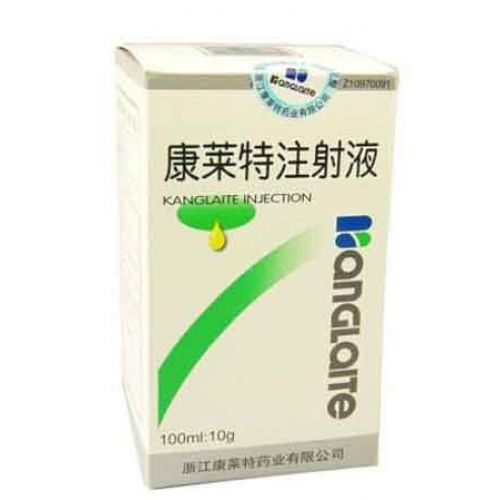
Kanglaite is a modern pharmaceutical preparation derived from a very old source. Its single active ingredient is coix seed oil, extracted from the seeds of Coix lacryma-jobi -- a plant more commonly known as Job's tears or yi yi ren in Chinese. The seeds of this plant have been used in Asian traditional medicine for centuries, but Kanglaite represents a refined, standardized version of that ancient wisdom. Each soft capsule contains 0.45 grams of coix seed oil triglyceride, the concentrated active fraction of the seed. This standardization ensures that every capsule delivers a consistent, predictable dose of the active compounds, which is essential for clinical reliability and therapeutic consistency.
The product is manufactured by Shijiazhuang Yiling Pharmaceutical Co., Ltd., one of China's leading traditional medicine manufacturers with a reputation for quality. It carries CFDA approval number Z20040138 and is classified as a prescription herbal medicine in China. The recommended dosage is 6 capsules taken 4 times daily, and it's often used in cycles of one month or longer depending on the treatment plan. The availability of Kanglaite in soft capsule form makes it convenient for patients to take at home, unlike the injectable version which requires hospital administration. This means patients can maintain consistent therapy without needing to visit a clinic for every dose, which reduces the burden of treatment logistics.
Coix Seed in the TCM Tradition
Coix seed has a long and well-documented history in Chinese herbal medicine. It appears in the Shennong Bencao Jing, one of the oldest Chinese pharmacological texts dating back nearly two thousand years, where it's described as a remedy that can benefit the spleen and stomach, soothe the nerves, and prolong life. Traditional applications included treating edema, rheumatism, and digestive weakness. But perhaps its most significant traditional use was in addressing what TCM calls dampness and phlegm -- conditions where the body's fluid metabolism becomes sluggish and congested. Ancient physicians recognized that when fluids don't move properly through the body, they create an environment where disease can take hold and flourish.
In TCM theory, the spleen is responsible for transforming and transporting fluids throughout the body. When spleen function is weak, fluids accumulate and form dampness. Over time, this dampness can congeal into phlegm and eventually contribute to the formation of masses or nodules. This is one framework through which TCM understands tumor formation -- not as an isolated event, but as the end result of a long process of internal imbalance. By strengthening the spleen and resolving dampness, coix seed addresses what TCM sees as the underlying conditions in which illness takes root. It's not simply a matter of removing the visible problem -- it's about changing the internal environment that allowed the problem to develop in the first place.
The Building Renovation Metaphor
Think of the body like an old building that needs structural work. When renovating a building, you don't start by painting the walls or changing the curtains. You first check the foundation. You reinforce the load-bearing beams. You make sure the roof doesn't leak. Only after these essential structural elements are addressed do you move on to cosmetic improvements. This is the philosophy behind Kanglaite's approach to cancer support. It's about restoring foundational strength before working outward, addressing the deep structural issues that make the body vulnerable to disease.
Conventional cancer treatments often focus squarely on removing the problem -- the tumor -- much like demolishing a compromised section of a building. And that's necessary work. But TCM asks a different set of questions: what about the rest of the structure? Has the foundation been weakened by years of poor diet or stress? Are there cracks in the supporting walls? Is there moisture damage that will continue to spread if not addressed? Kanglaite works on this level of structural integrity. It doesn't replace conventional demolition work, but it reinforces the building's overall integrity so it can withstand the renovation process. It strengthens the spleen -- the central pillar of the body's structure. It clears accumulated dampness -- the moisture damage that weakens the walls. And it supports the body's ability to maintain itself through the stress of treatment. The renovation metaphor helps explain why Kanglaite is used both before surgery and for patients who aren't surgical candidates -- in either case, the building needs its foundation reinforced to handle what comes next.
Kanglaite in Integrative Cancer Care
Integrative oncology is the practice of combining conventional cancer treatments with evidence-based complementary therapies. It's not about choosing one approach over another -- it's about using the best tools from all medical traditions in a coordinated way. Kanglaite has found a natural place in this approach. Clinical research has shown that it can be used alongside chemotherapy and radiation therapy to enhance their effectiveness while reducing some of their side effects. This is the ideal scenario for any complementary therapy: it makes the primary treatment work better while making it easier for the patient to tolerate.
The product literature describes a synergistic effect when Kanglaite is combined with chemotherapy for late-stage non-small-cell lung cancer. Patients who used the combination experienced better tumor control and reported improved quality of life compared to chemotherapy alone. The same research points to analgesic benefits and resistance to cachexia -- the wasting syndrome that affects many advanced cancer patients and is notoriously difficult to manage. Few conventional treatments address cachexia effectively, making Kanglaite's ability to help maintain body weight and muscle mass a significant clinical advantage. For patients preparing for surgery, Kanglaite may help strengthen the body to better tolerate the procedure. For those who aren't surgical candidates, it offers a way to support the body's natural defenses while undergoing other treatments. This flexibility makes Kanglaite a versatile tool in the integrative oncology toolkit.
Beyond Non-Small-Cell Lung Cancer
While Kanglaite's primary approved indication is for NSCLC with spleen deficiency and damp stagnation, research has explored its use in several other cancer types. These include primary hepatic cancer, pancreatic cancer, and lymphoma. The product literature describes Kanglaite as a broad-spectrum anti-tumor agent, meaning its effects aren't limited to one specific cancer type. This versatility is unusual for a single-agent herbal medicine and reflects the complexity of coix seed oil's mechanisms of action at the cellular and molecular levels.
What makes coix seed oil unique is that it appears to work through multiple channels simultaneously, which is sometimes called a polypharmacological effect. It can directly inhibit tumor cell growth by interfering with the cell cycle. It can induce apoptosis -- programmed cell death -- in cancer cells that have lost the ability to self-destruct. It can prevent the formation of new blood vessels that tumors need to grow, a process called anti-angiogenesis. And importantly, it appears to protect normal cells while targeting abnormal ones. This selectivity is unusual and clinically valuable. Most conventional chemotherapies target all rapidly dividing cells indiscriminately, which is why they cause side effects like hair loss and digestive issues. Kanglaite's preferential targeting of abnormal cells means fewer healthy cells are caught in the crossfire, which translates to a better side effect profile and better tolerance over long treatment courses.
What the Research Shows
Several studies have examined Kanglaite's effects in clinical settings. Research published in Chinese medical journals has reported that patients taking Kanglaite alongside chemotherapy experienced higher response rates than those receiving chemotherapy alone. Some studies have focused on objective tumor measurements, while others have examined quality of life indicators. The quality of life findings are particularly compelling: Kanglaite users reported less fatigue, better appetite, and reduced pain levels compared to control groups. These are not trivial benefits. For patients facing months of intensive treatment, improvements in daily well-being can make a meaningful difference in their ability to continue therapy and maintain their quality of life throughout the process.
One patient review on the product page describes a particularly striking outcome: after 4 courses of Kanglaite in combination with 4 courses of chemotherapy, metastasis disappeared and the main cancer in the lungs reduced by two-thirds. While individual results vary widely and this doesn't represent typical outcomes for everyone, it illustrates the potential of this approach when used as part of a comprehensive treatment plan. The key takeaway is that Kanglaite offers something valuable to the cancer care toolkit, especially for patients looking to take an active role in supporting their own health during treatment.
Who Should Consider Kanglaite
Kanglaite is most appropriate for patients whose TCM diagnosis includes spleen deficiency with damp stagnation. But in practical terms, anyone undergoing treatment for NSCLC or related cancers might benefit from discussing it with their healthcare provider. It's particularly relevant in several scenarios:
- Patients preparing for surgery who want to optimize their preoperative condition may find Kanglaite helps build their energy reserves before the procedure
- Those receiving chemotherapy who are looking for ways to manage side effects often report better tolerance when using Kanglaite alongside their regimen
- Individuals with advanced cancer who want to maintain quality of life may benefit from Kanglaite's anti-cachexia and pain-reducing effects
- People interested in an integrative approach that combines conventional and traditional medicine will find Kanglaite fits naturally into that philosophy
Individuals with advanced cancer who want to maintain quality of life may benefit from Kanglaite's anti-cachexia and pain-reducing effects. People interested in an integrative approach that combines the best of conventional and traditional medicine will find Kanglaite fits naturally into that philosophy. The most important step is to consult with your oncologist before adding any herbal therapy to your regimen. Kanglaite is a serious medicine with specific indications, and it works best when used under proper medical guidance from a qualified healthcare team that coordinates your care.
Safety and Quality Considerations
Kanglaite has a good safety profile when used as directed. The main contraindication is pregnancy -- it should not be used during pregnancy or while breastfeeding. As with any herbal product, it's important to purchase from reputable sources to ensure quality and authenticity. The product has a shelf life of 30 months and should be stored in a cool, dry place away from direct sunlight. Each batch is manufactured according to Chinese Pharmacopoeia 2010 standards, ensuring consistent quality from one batch to the next. These manufacturing standards cover everything from raw material identification to finished product testing, giving patients confidence in what they're taking.
The dosage of 6 capsules four times daily was established through clinical research and represents the amount needed to maintain therapeutic levels of the active compounds in the bloodstream. Taking the capsules with meals can help with absorption and is easier on the stomach. Consistency matters more than perfect timing -- the goal is to maintain steady levels of coix seed oil in your system throughout treatment. If you miss a dose, simply take the next scheduled dose as normal and don't double up. Talk to your healthcare provider if you have questions about how Kanglaite fits with your other medications.
This content is for educational purposes only and is not intended to replace professional medical advice, diagnosis, or treatment. Always consult your oncologist or healthcare provider before starting any new supplement or herbal therapy, especially during cancer treatment.
-

- Date Published: 2026-07-11
- Date Updated: 2026-07-27
- Category: Theory
Related Products
$60.00