Your shopping cart is empty!

Wenxin Keli, a widely prescribed proprietary Chinese herbal medicine, has garnered significant attention for its role in managing cardiac arrhythmias. Its clinical application, particularly for conditions like ventricular premature beats and atrial fibrillation, is supported by a growing body of research. This article explores the rationale behind its efficacy by examining its pharmacological composition, the functions of its key ingredients, and relevant scientific literature.
1. Pharmacological Composition and Synergistic Functions
The formula of Wenxin Keli is based on principles of Traditional Chinese Medicine (TCM) aimed at replenishing Qi, nourishing Yin, activating blood circulation, and resolving stasis. Its modern pharmacological actions are derived from a blend of five core herbs:
1.1 Codonopsis Radix (Dang Shen): As the principal herb, it tonifies the "Qi" (vital energy) of the heart and spleen. In modern terms, it exhibits adaptogenic properties, helping to moderate the stress response which can trigger arrhythmias. Studies suggest it may improve myocardial metabolism and possess mild anti-arrhythmic effects by stabilizing cell membranes.
1.2 Polygonati Rhizoma (Huang Jing): This herb nourishes "Yin," which in TCM counteracts deficiencies that lead to "deficiency-fire" manifesting as palpitations. Pharmacologically, it is rich in polysaccharides and saponins with antioxidant and anti-inflammatory activities, helping to protect myocardial cells from injury—a common substrate for arrhythmias.
1.3 Salviae Miltiorrhizae Radix (Dan Shen): A critical herb for "activating blood and resolving stasis." It is one of the most extensively researched Chinese herbs for cardiovascular health. Its active components, such as tanshinones and salvianolic acids, improve coronary microcirculation, suppress platelet aggregation, and possess antioxidant effects. This improves the electrophysiological environment of the heart by reducing ischemia and fibrosis, key factors in arrhythmogenesis.
1.4 Nardostachyos Radix (Gan Song): This herb regulates Qi and relieves stagnation, addressing the "stagnation" aspect of TCM arrhythmia pathology. Modern research indicates that compounds in Gan Song, like nardosinone, have direct electrophysiological effects. They act as sodium and potassium channel modulators, prolonging the action potential duration and effective refractory period in myocardial cells, which can suppress abnormal automaticity and re-entry circuits.
1.5 Crataegi Fructus (Shan Zha): Used to promote digestion and remove blood stasis. It aids in lipid metabolism and has mild vasodilatory effects, supporting overall cardiovascular function and creating a more stable substrate for normal rhythm. The synergy of these components is key. While Dan Shen and Gan Song may directly modulate ion channels and electrical stability (a "symptom-oriented" approach in modern terms), Dang Shen and Huang Jing work to correct the underlying "root" cause by improving myocardial health and resilience. This multi-target strategy is a hallmark of complex herbal formulations.
2. Analysis of Supporting Scientific Literature
Clinical and preclinical studies provide evidence for the mechanisms described above.
2.1 Clinical Trial Evidence: Numerous randomized controlled trials (RCTs), including several meta-analyses, have evaluated Wenxin Keli. A meta-analysis published in the Journal of Alternative and Complementary Medicine (2019) concluded that Wenxin Keli, either as monotherapy or adjuvant to conventional anti-arrhythmic drugs like amiodarone or propafenone, was superior to control treatments in reducing the frequency of ventricular and supraventricular premature beats, with a favorable safety profile. These clinical outcomes directly support its therapeutic utility.
2.2 Electrophysiological Mechanism Studies: Foundational research, often cited in the product's rationale, comes from in vitro and animal studies. Key work by researchers has demonstrated that Wenxin Keli extract can inhibit the late sodium current (INa-L) in ventricular myocytes. Excessive INa-L is a known contributor to intracellular calcium overload and action potential prolongation, leading to early afterdepolarizations (EADs) that trigger arrhythmias like torsades de pointes. By selectively inhibiting this current, Wenxin Keli can stabilize the action potential without excessively affecting peak INa, which is crucial for normal conduction—a potential advantage over some classic anti-arrhythmic drugs.
2.3 Multi-channel Modulation: Beyond INa-L inhibition, studies suggest the formulation also affects potassium channels, including the ultra-rapid delayed rectifier potassium current (IKur), which is more prominent in atrial tissue. This may explain its observed benefits in certain atrial arrhythmias. The combined effect on sodium and potassium channels resembles a class III (potassium channel blocker) and class I (sodium channel modulator) anti-arrhythmic effect, albeit likely gentler and multi-faceted due to the herbal blend.
2.4 Myocardial Protection and Anti-fibrosis: Literature highlights the role of components like Dan Shen and Huang Jing in mitigating structural remodeling. Animal models of myocardial infarction or heart failure show that Wenxin Keli can reduce infarct size, decrease markers of inflammation (like TNF-α), and inhibit the progression of myocardial fibrosis. Since fibrosis disrupts normal electrical conduction and promotes re-entry, this anti-remodeling effect is a crucial long-term anti-arrhythmic mechanism.
3. Conclusion: An Integrative Therapeutic Approach
In summary, Wenxin Keli's utility in cardiac arrhythmias is not attributed to a single "magic bullet" compound but emerges from the integrative effects of its formula. Its mechanisms operate on multiple levels:
- Direct Electrophysiological Modulation: Primarily through compounds from Gan Song and possibly other herbs, it modulates cardiac ion channels (sodium, potassium) to stabilize electrical activity.
- Improvement of Myocardial Substrate: Through the actions of Dan Shen, Dang Shen, and Huang Jing, it enhances blood flow, reduces ischemia, combats oxidative stress, and inhibits fibrosis.
- Systemic Regulation: By addressing TCM patterns like Qi deficiency and Yin deficiency, it may improve the overall neuro-cardiac balance, reducing sympathetic overdrive that provokes arrhythmias.
The existing literature, from cellular electrophysiology to large-scale clinical reviews, provides a coherent scientific narrative supporting these mechanisms. While further high-quality, mechanistic studies are always welcomed, the current evidence positions Wenxin Keli as a viable integrative option for arrhythmia management, offering a multi-target strategy that complements the single-target approach of many conventional anti-arrhythmic drugs. Its value lies in this holistic framework, addressing both the electrical symptoms and the underlying structural and metabolic dysfunctions of the heart.
-

- Date Published: 2025-12-02
- Category: reseach
Related Products
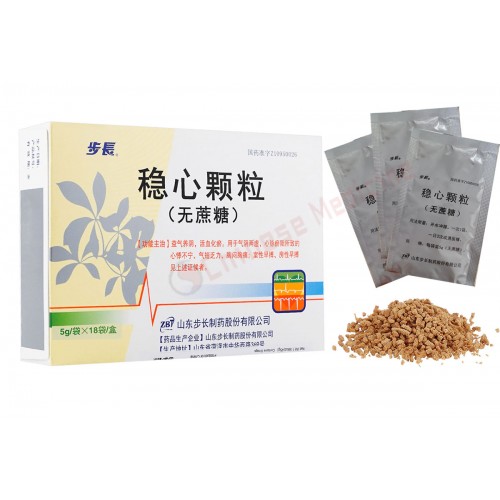
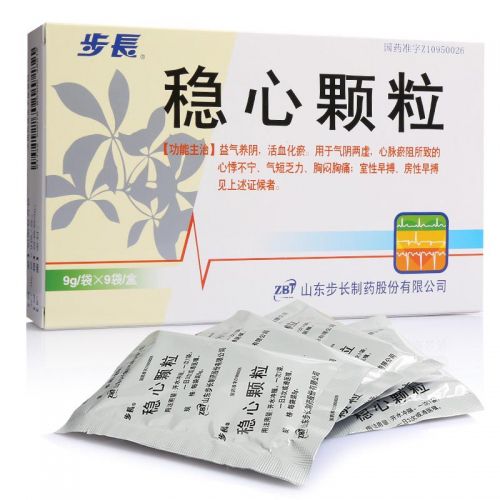
$12.00
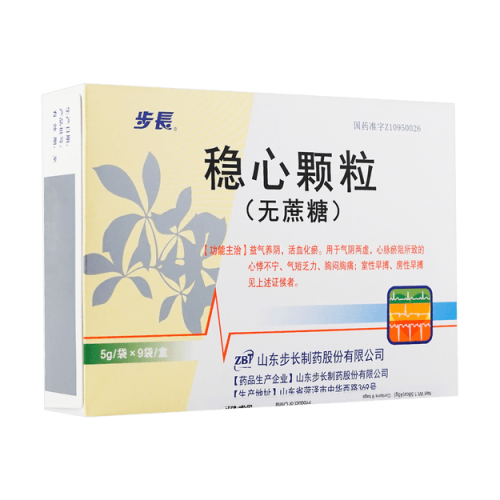
$11.00